
How Elevbus works
A shared elevator begins with an agreement among the parties. Authorized residents use it, the platform records use and costs, and service providers maintain it. Each responsibility should be clear in the project plan.
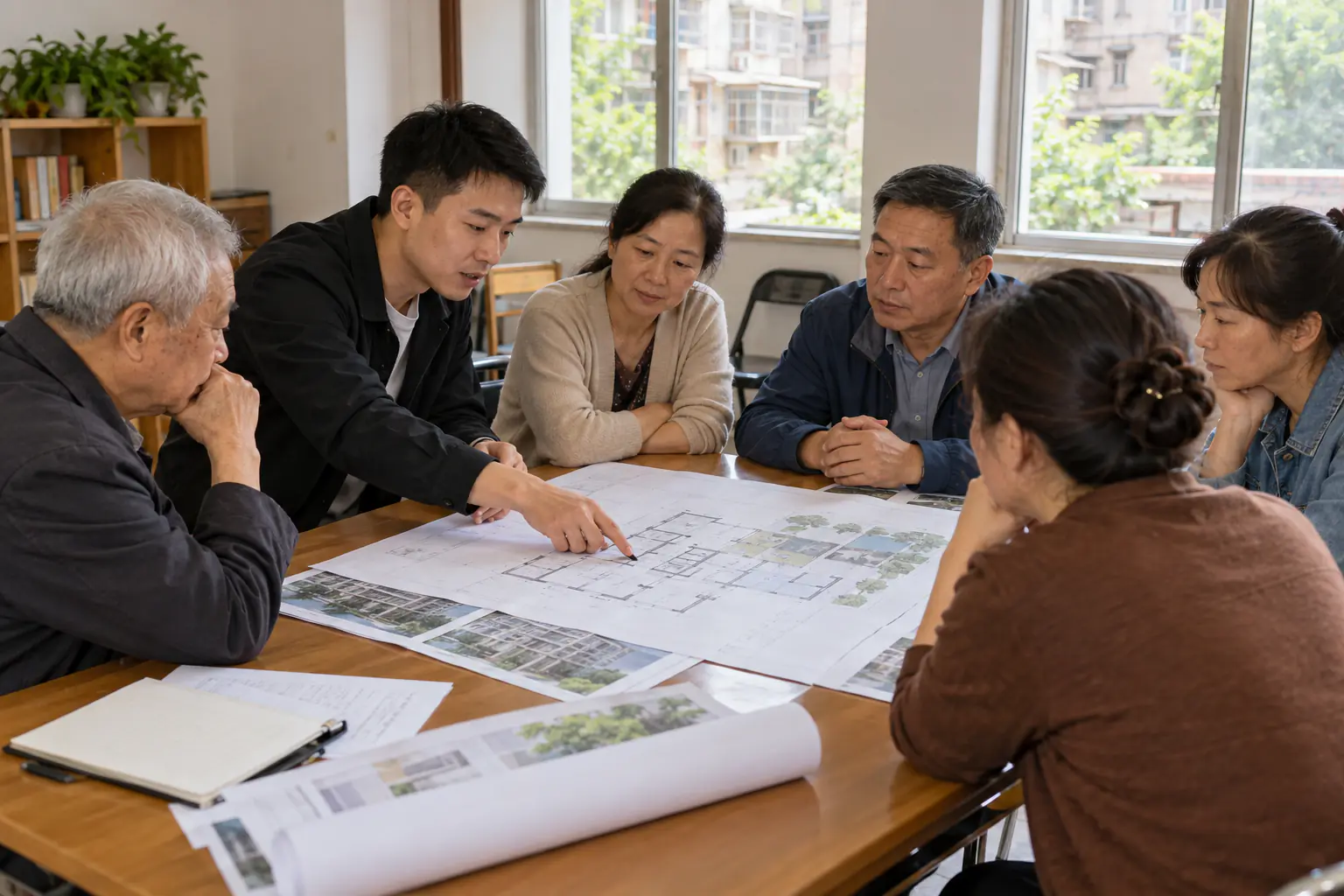
Five parties, distinct roles
Owners decide; construction, investment and operating firms provide agreed services; residents ride after authorization; Banshou provides usage data; public bodies carry out policy and procedural duties.
Local conditions determine policy support
Investment and risk require project-specific forecasts
Platform capabilities do not replace agreed responsibilities
A path from project to operation
After a request and assessment, parties agree on construction and use. After handover, identity, floor and fare rules connect to orders, bills, settlement and maintenance orders.
No single price list fits every project
New installations and replacements differ in funding and ownership. Buildings, resident preferences, policy and partners also vary. Fees, terms and maintenance scope need project-specific documentation.
FAQ
Prices, ownership and service terms depend on the assessment and agreement for each project.
Does Elevbus imply government operation?
No. Public bodies may handle policy, coordination or approvals, while funding and operation follow the project arrangements.
Which solution fits your community?
Tell us where the project is and its basic conditions so we can discuss the next step.